The global energy sector is undergoing a major transformation. Rising electricity demand, environmental concerns, and increasing fuel costs have created a strong need for cleaner and more efficient power sources. Businesses, industries, and households are now comparing renewable energy with traditional power to understand which option offers better long term value.
Renewable energy comes from naturally replenishing resources such as sunlight, wind, water, and biomass. Traditional power mainly relies on fossil fuels such as coal, oil, and natural gas. While both systems generate electricity, their impact on cost, sustainability, and future energy security is significantly different.
This article explores the key differences between renewable energy and traditional power from a sustainability perspective.
What is Renewable Energy?
Renewable energy is generated from natural resources that are continuously replenished. Common sources include:
Solar energy from sunlight
Wind energy from air movement
Hydropower from flowing water
Biomass energy from organic waste
Geothermal energy from heat beneath the earth’s surface
These sources are considered sustainable because they do not run out in the same way fossil fuels do.
What is Traditional Power?
Traditional power refers to electricity produced using conventional fuels such as:
Coal
Diesel
Petroleum
Natural gas
These fuels are extracted from the earth and burned to generate electricity. While traditional power has supported industrial growth for decades, it comes with environmental and economic challenges.
Environmental Impact Comparison
Renewable Energy
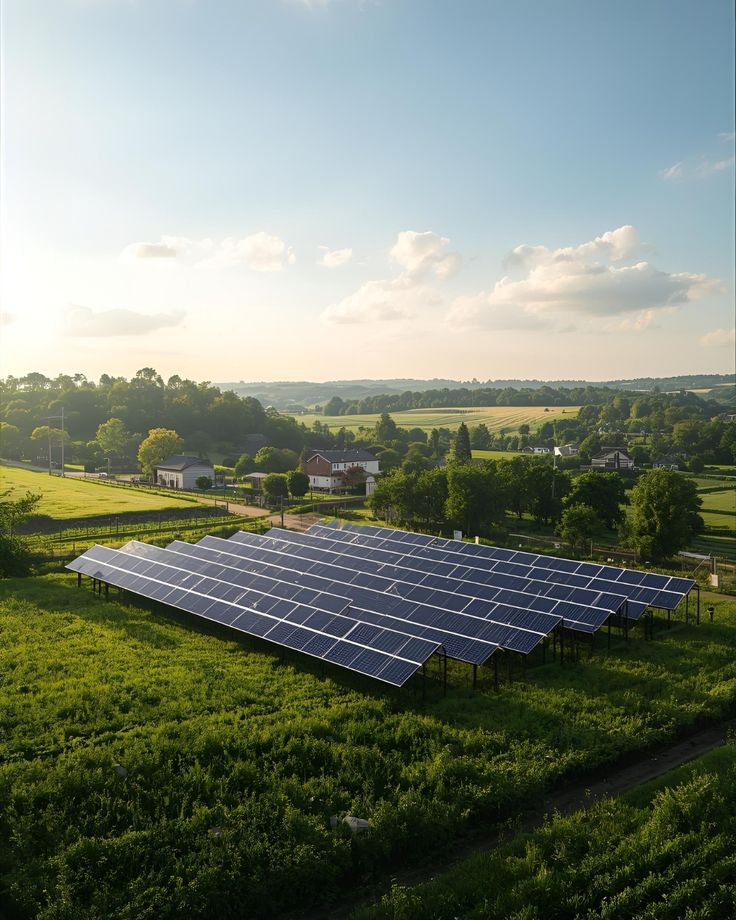
Renewable power systems produce little to no direct greenhouse gas emissions during operation. Solar and wind energy especially help reduce air pollution and carbon emissions. They also lower dependence on resource extraction such as mining and drilling.
Traditional Power
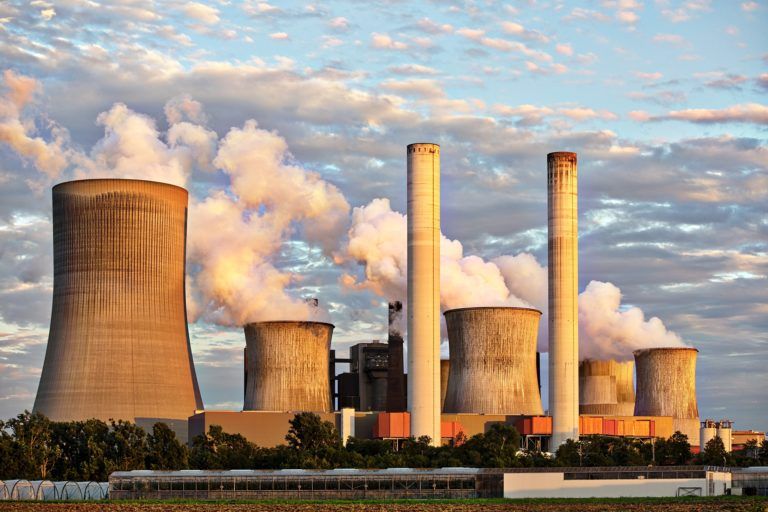
Coal and diesel based power plants release significant amounts of carbon dioxide, sulfur dioxide, and particulate matter. These emissions contribute to climate change, poor air quality, and health issues. Fuel extraction also damages land and water ecosystems.
Cost Comparison Over Time
Renewable Energy
The initial setup cost of renewable systems such as solar panels or wind turbines can be higher. However, operational costs are much lower because sunlight and wind are free resources. Maintenance costs are predictable, and savings increase over time.
Traditional Power
Traditional power systems often have lower initial infrastructure familiarity, but long term costs depend heavily on fuel prices. Rising coal, diesel, and gas prices can create unstable electricity expenses for businesses and consumers.
Energy Security and Reliability
Renewable Energy
Renewable energy supports local power generation. Rooftop solar systems, hybrid systems, and battery storage reduce dependence on centralized grids. This improves resilience during power shortages and tariff hikes.
Traditional Power
Traditional power depends on continuous fuel supply chains, imports, transportation, and centralized infrastructure. Any disruption in fuel availability or market pricing can affect energy supply and cost.
Sustainability for Businesses
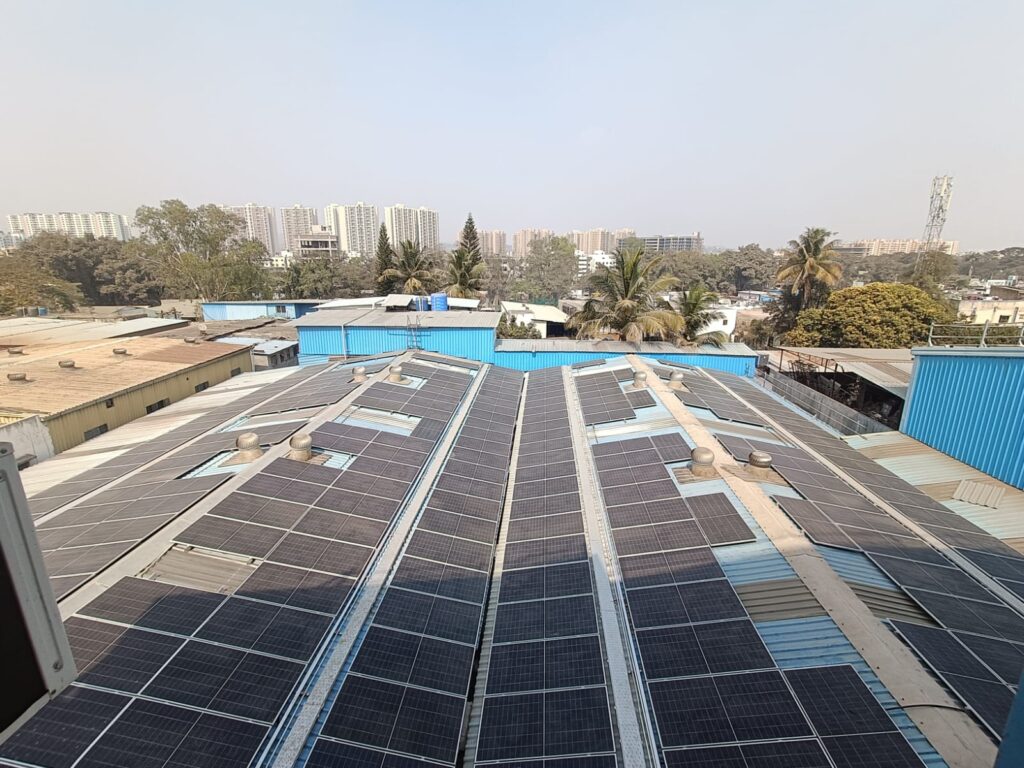
Businesses today are increasingly choosing renewable energy for both financial and strategic reasons.
Benefits include:
- Lower electricity bills
- Long term cost stability
- Improved ESG performance
- Stronger brand reputation
- Reduced carbon footprint
Eligibility for green certifications
Traditional power still remains common, but businesses dependent only on grid or diesel power often face increasing operational costs.
Sustainability for Homes
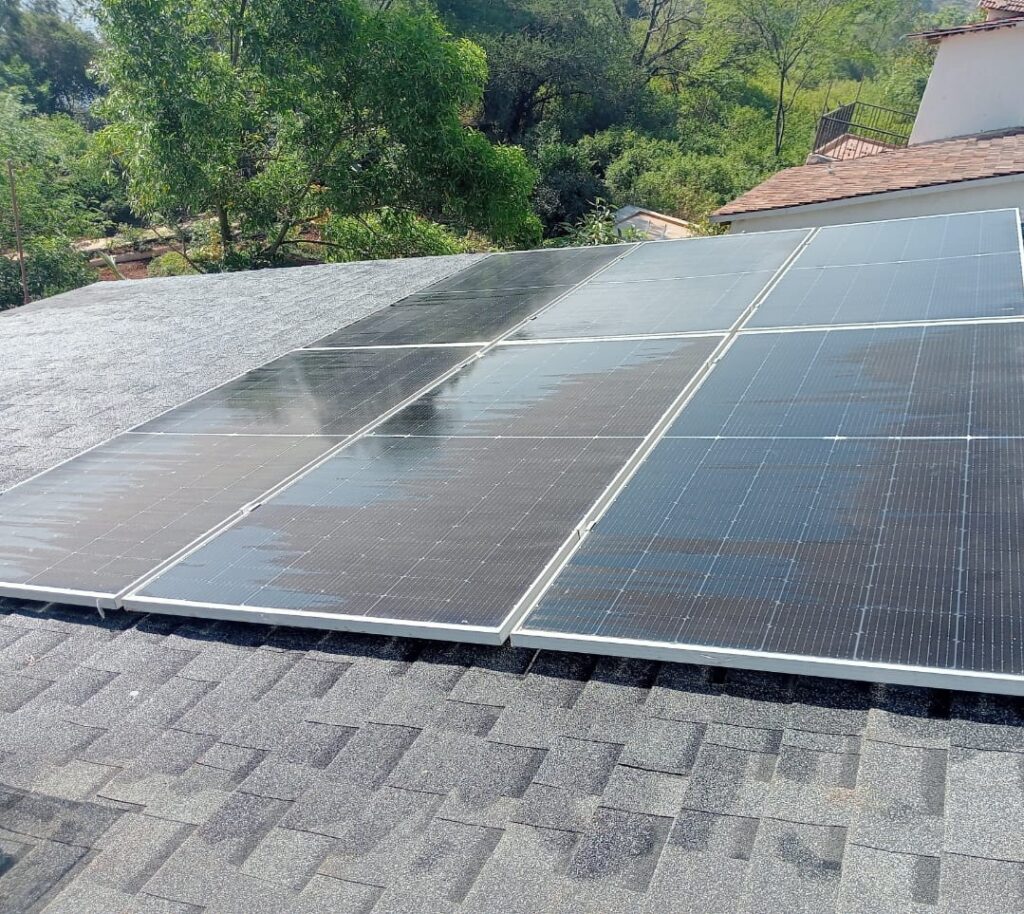
Homeowners are also shifting toward renewable energy solutions such as rooftop solar systems.
Benefits include:
- Reduced monthly electricity bills
- Lower dependence on utility tariffs
- Clean energy for daily use
Increased property value - Long system lifespan
Traditional household power remains necessary in many areas, but integrating renewable systems can significantly reduce total consumption.
Challenges of Renewable Energy
While renewable energy has clear advantages, some challenges include:
Higher upfront installation cost
Weather dependent generation in some systems
Need for storage solutions in certain cases
Space requirements for installation
However, improving technology and financing options are rapidly solving these issues.
Future Outlook
Governments, corporations, and investors across the world are prioritizing clean energy transitions. Solar and wind power costs continue to decline, while regulations on emissions are becoming stricter. This indicates that renewable energy will play a dominant role in future electricity generation.
Traditional power may continue as part of the energy mix for some time, but its long term sustainability is limited.
Conclusion
When comparing renewable energy vs traditional power, renewable energy clearly offers stronger long term sustainability. It reduces environmental damage, lowers operating costs over time, and improves energy independence.
Traditional power has supported growth for many years, but rising fuel costs and environmental concerns are driving change. For businesses and homeowners seeking future ready energy solutions, renewable power is becoming the smarter and more sustainable choice.
Final Thought
The question is no longer whether renewable energy can compete with traditional power. The real question is how quickly organizations and households can adapt to benefit from the transition.