Introduction
Installing a solar power system is a smart long term investment for homes, businesses, factories, and commercial properties. However, many system owners focus only on installation and overlook one of the most important factors behind long term performance: regular maintenance.
A solar system can operate efficiently for many years, but only when it is properly inspected, cleaned, and maintained. Dust, weather exposure, loose connections, shading, and equipment wear can gradually reduce output if left unchecked.
Professional solar maintenance services help ensure your system continues to deliver strong performance, lower electricity bills, and dependable returns.
Why Solar Maintenance Is Important
Solar panels are designed for durability, but they are constantly exposed to sunlight, rain, heat, pollution, and environmental debris. Over time, these factors can impact efficiency.
Routine maintenance helps in the following ways:
1) Improves Energy Generation
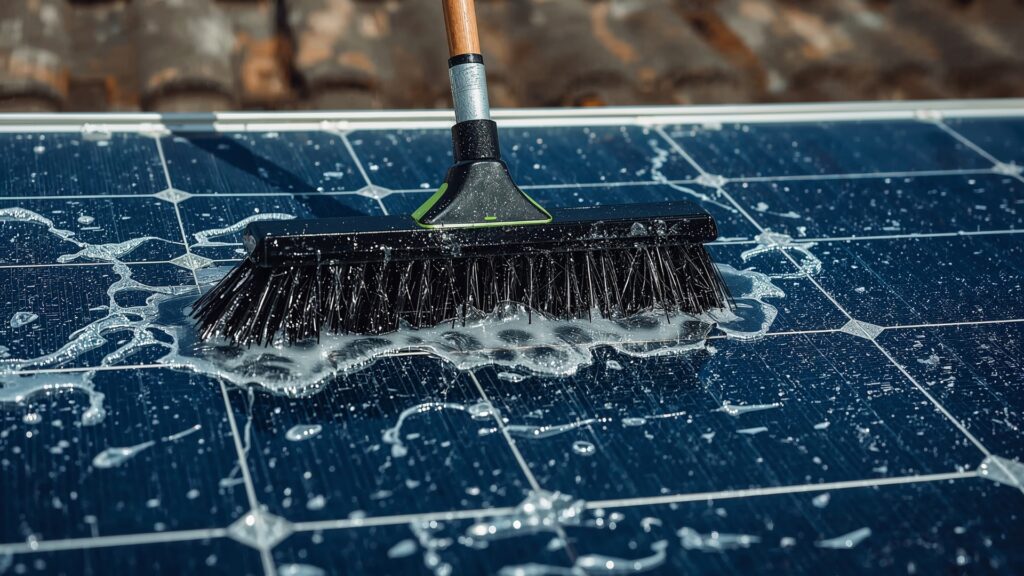
Dust, dirt, bird droppings, and pollution can block sunlight from reaching the panels. Clean panels absorb more sunlight and produce more electricity.
2) Extends System Life
Regular inspections help identify minor issues before they become major failures. This protects expensive components such as inverters, wiring, and mounting structures.
3) Reduces Repair Costs
Small problems like loose cables or damaged connectors can be fixed early at lower cost instead of leading to expensive breakdowns later.
4) Protects Return on Investment
A solar system is installed to reduce power costs. Poor maintenance can lower savings and delay the financial benefits of the system.
What Is Included in Solar Maintenance Services
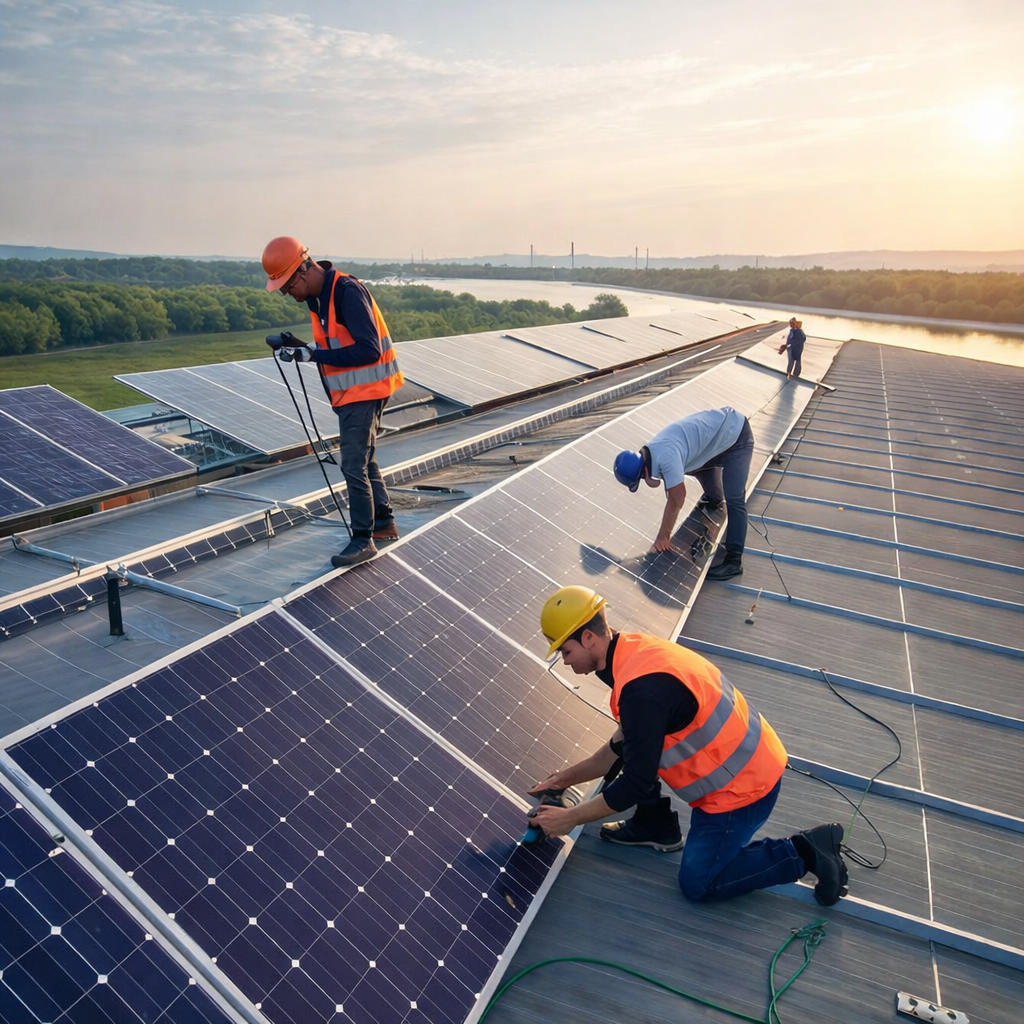
Professional solar maintenance generally includes several key checks and services.
1) Panel Cleaning
Solar panels are cleaned using safe methods that remove dust and dirt without damaging the glass surface.
2) Electrical Inspection
Technicians inspect wiring, connectors, earthing systems, and safety components to ensure secure operation.
3) Inverter Performance Check
The inverter is the heart of the system. Maintenance includes checking error codes, efficiency levels, and output consistency.
4) Structure Inspection
Mounting frames and supports are checked for rust, looseness, or weather related damage.
5) Performance Monitoring
Energy generation data is reviewed to identify drops in production or hidden faults.
How Often Should Solar Systems Be Serviced
The maintenance schedule depends on location, weather conditions, and surrounding dust levels.
Residential systems usually benefit from regular cleaning and periodic inspections
Commercial systems often require scheduled preventive maintenance
Industrial systems may need more frequent monitoring due to larger loads and higher usage demands
In dusty cities and industrial areas, more frequent cleaning can significantly improve output.
Signs Your Solar System Needs Attention
You should schedule maintenance if you notice:
- Lower than expected electricity savings
- Reduced daily generation
- Inverter warning lights or error messages
- Visible dirt buildup on panels
- Loose wiring or unusual noises
- Damage after storms or heavy rainfall
Ignoring these signs can lead to reduced efficiency and higher future repair costs.
Why Professional Maintenance Is Better Than Basic Cleaning
While surface cleaning may appear simple, complete solar maintenance requires trained inspection of electrical and mechanical components. Professional teams use proper safety practices, performance checks, and preventive servicing methods.
This ensures your system remains safe, efficient, and compliant with recommended standards.
Choosing the Right Solar Maintenance Partner.
When selecting a service provider, look for:
- Experience with residential and commercial systems
- Trained technicians
Safety focused operations - Performance diagnostics capability
- Annual maintenance contract options
- Transparent service reports
A reliable maintenance partner can help maximize long term value from your solar investment.
Conclusion
Installing solar is only the first step. Protecting that investment requires regular maintenance and expert care. Clean panels, healthy electrical systems, and consistent monitoring ensure your solar plant performs at its best year after year.
Whether you own a home system or manage a large commercial facility, professional solar maintenance services are essential for better savings, stronger performance, and peace of mind.